

The Axios library (100M+ weekly downloads) recently suffered a major supply chain attack. By hijacking a maintainer’s account, attackers released poisoned versions (1.14.1 and 0.30.4) that deployed a Remote Access Trojan (RAT). This incident serves as a critical wake-up call for users of AI-driven development tools like Claude Code.
The Anatomy of the Attack (Huntress Analysis)
The attacker used a “nested dependency” strategy, adding a malicious package called plain-crypto-js to Axios. This triggered automatically via a postinstall script during npm install. Huntress reported that the first system was compromised just 89 seconds after the package was published.
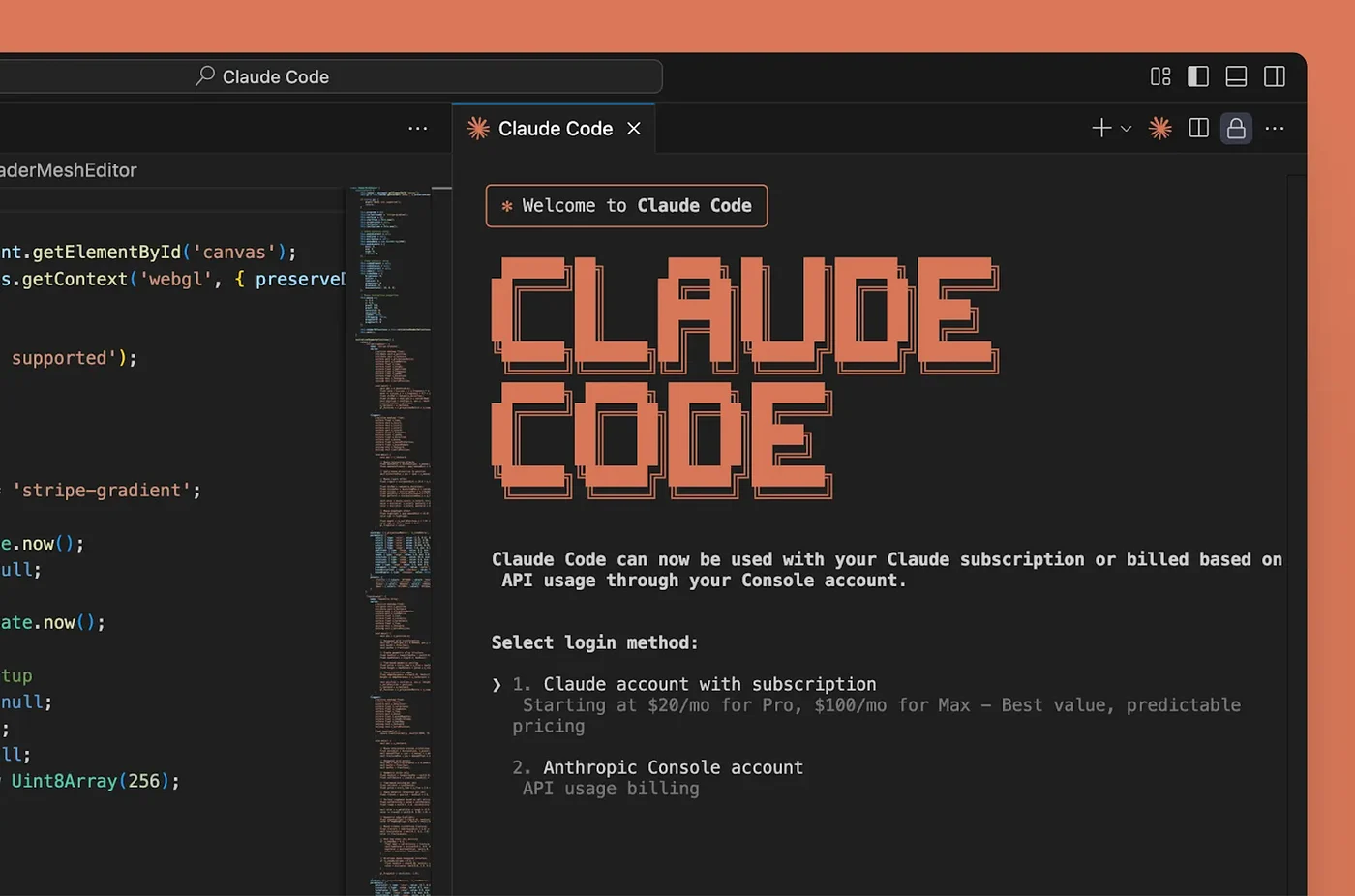
Why This Matters for Claude Code Users
Autonomous agents like Claude Code represent a new frontier for security. These tools can autonomously suggest fixes, manage dependencies, and execute terminal commands.
- Automated Updates: If an agent is tasked with “fixing a bug” or “optimizing performance,” it might automatically trigger an update to the latest (and potentially compromised) version of a library like Axios.
- High-Stakes Credentials: AI agents often operate in environments with access to environment variables and cloud provider keys to facilitate deployments. The Axios malware specifically targeted these secrets, making the breach of an AI-managed environment potentially catastrophic.
Staying Safe in the AI Era
When integrating Claude Code or similar agents into your workflow:
- Sandboxing: Run agents in isolated environments or containers to prevent malware from accessing your primary host or cloud secrets.
- Human-in-the-loop: Always review the specific versions of dependencies an AI agent plans to install before granting execution permission.
- Egress Monitoring: The malware communicated with a C2 server via Express.js. Monitoring unusual outbound traffic from your dev environment remains a top defense.
MindBe Team
Source: * Huntress – Supply Chain Compromise of axios npm Package